Category: Nutrition Guides | Reading Time: 8 min
What Is a Weight Gainer? (And Why Most People Get It Wrong)
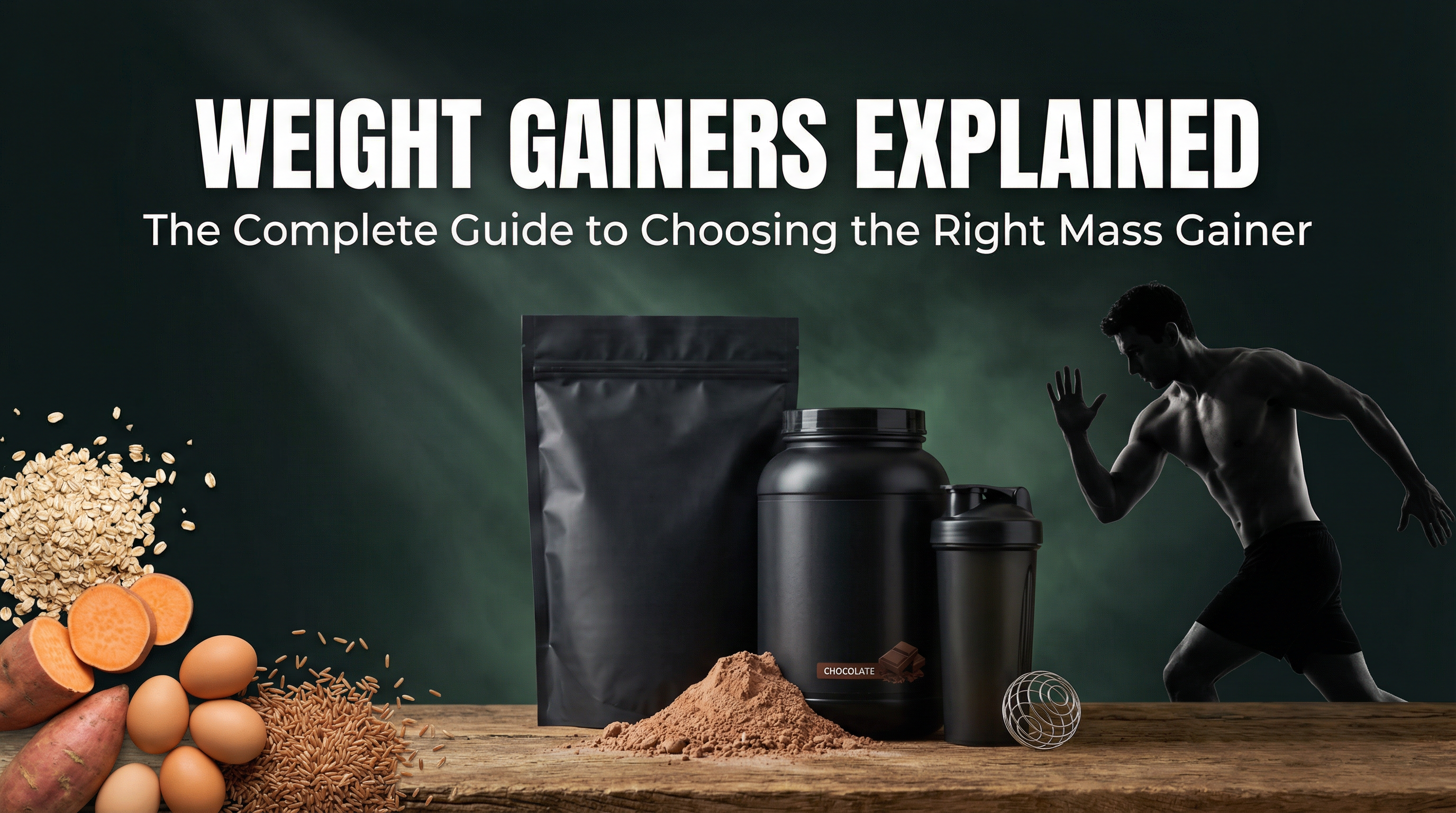
Let's clear up one of the most misunderstood products in the entire supplements industry: the weight gainer.
Most people think a weight gainer is just “protein powder with extra stuff.” That couldn’t be further from the truth. A quality weight gainer is essentially a complete meal in a shake — a carefully formulated blend of proteins, carbohydrates, healthy fats, and often fibre, vitamins, and minerals.
Whey protein = chicken breast or egg whites. Pure, lean protein.
Weight gainer = a full plate: rice, grilled steak, roasted sweet potato, salad, and a glass of juice — all combined into one powerful serving.
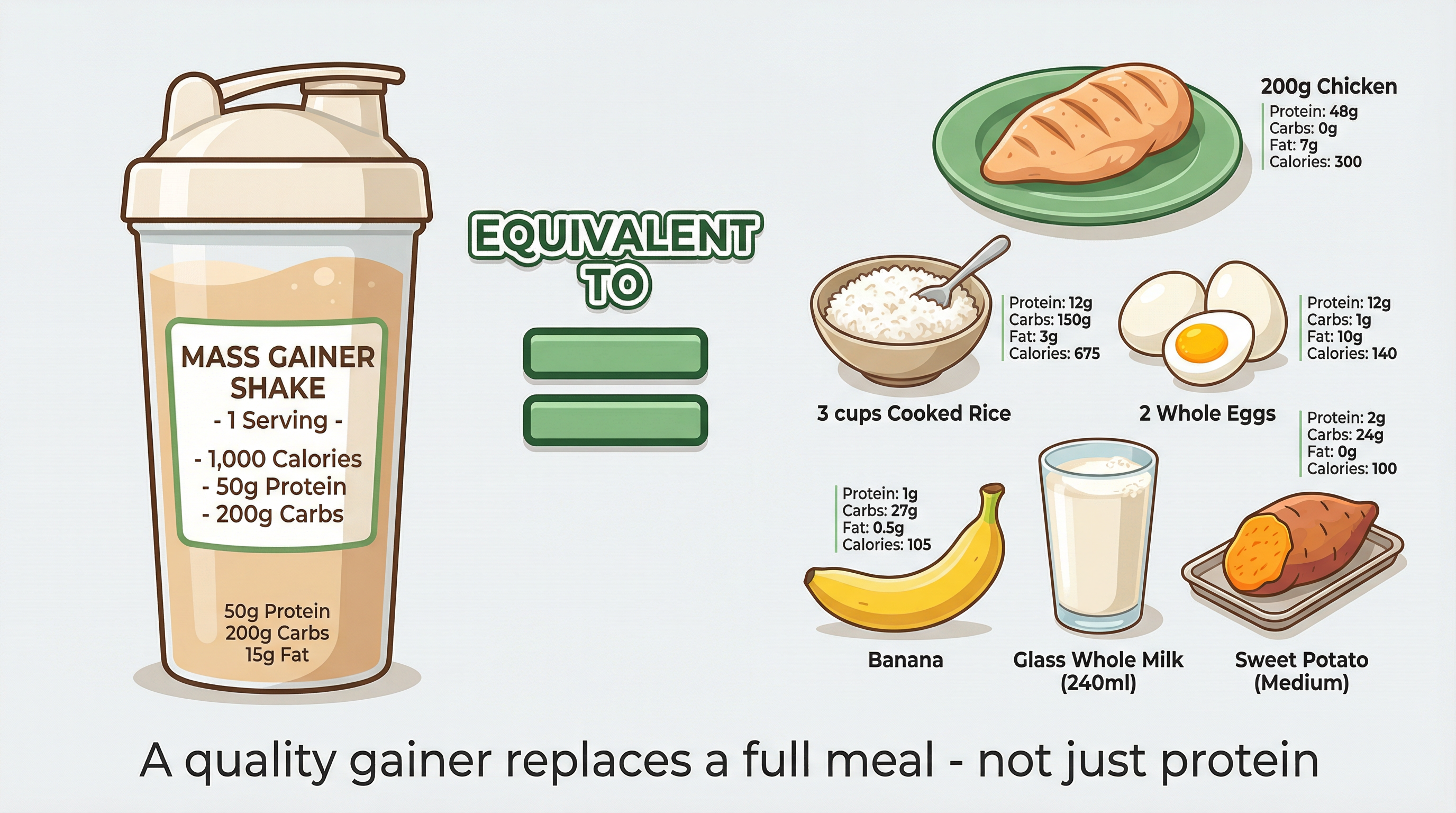
A gainer is designed to deliver serious caloric density in a convenient format — making it invaluable for those who struggle to eat enough whole food to hit their daily targets. But not all gainers are created equal, and choosing the wrong one for your body type can set you back months.
Not All Weight Gainers Are Created Equal: Understanding the Types
This is the part that most supplement brands conveniently skip. Walk into any supplement store and you’ll find products all labelled “weight gainer” or “mass gainer” — but the macronutrient profiles can be dramatically different.
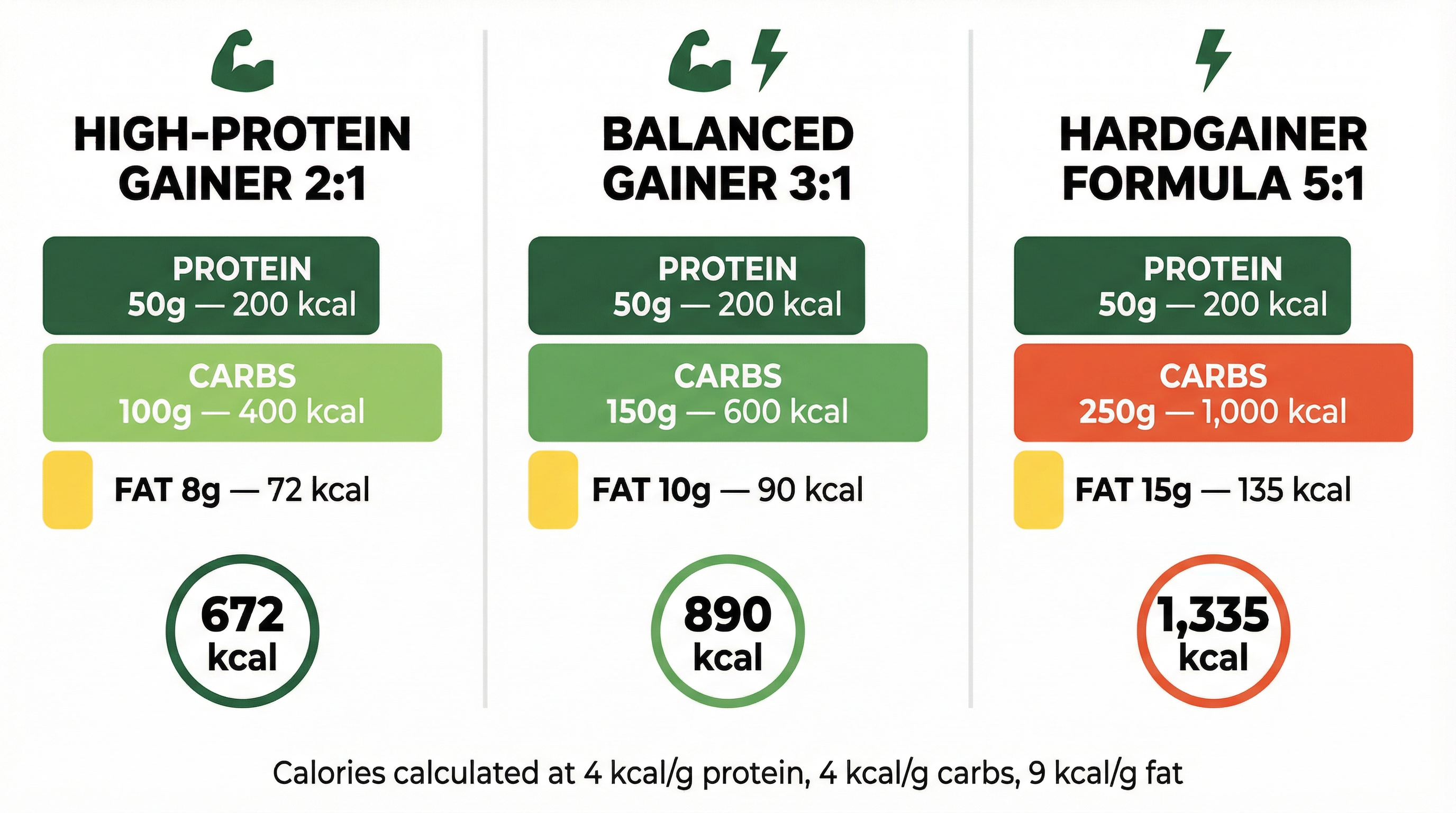
High-Protein Gainers (Lean Mass / Clean Bulk)
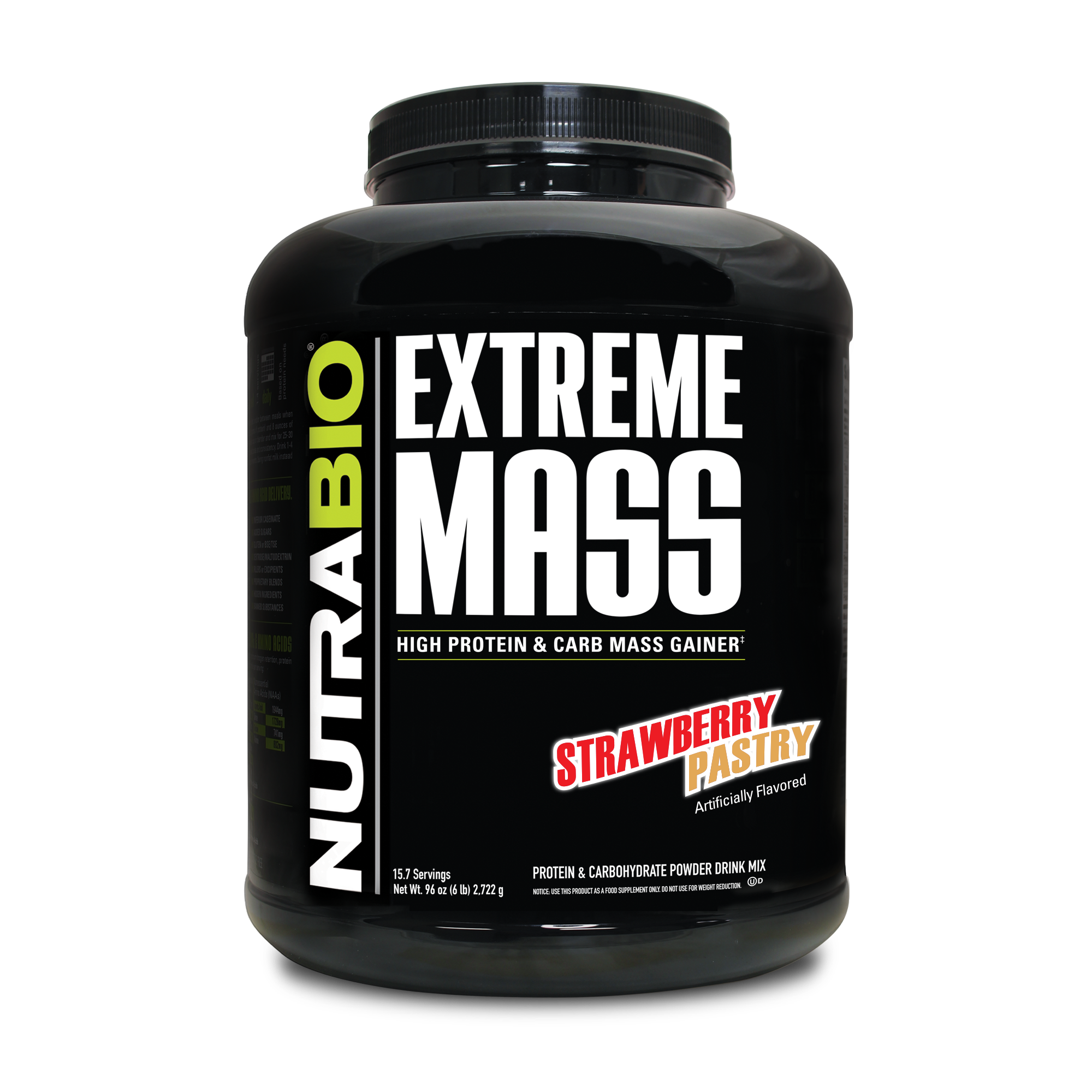
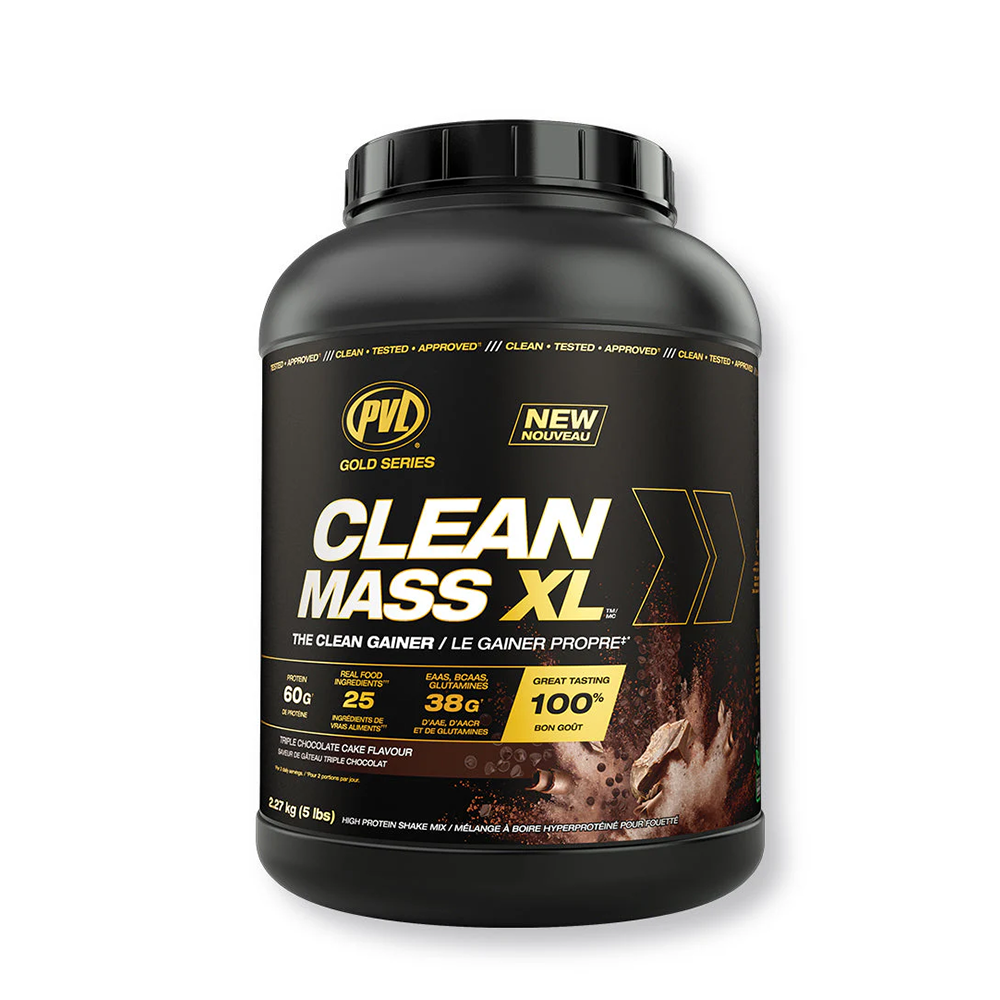
A high-protein gainer maintains a carbohydrate-to-protein ratio of approximately 2:1 up to 3:1. With 50g protein, 100g carbs, and ~8g fat per serving, you get around 672 kcal — a controlled surplus ideal for lean muscle building without excessive fat gain. These products prioritise muscle protein synthesis while keeping the caloric load manageable. Look for products like NutraBio Extreme Mass, Gold Standard Gainer, or PVL Clean Mass.
High-Carbohydrate Gainers (Caloric Surplus / Hardgainer)
A high-carb gainer pushes that ratio to 4:1, 5:1 or even higher. At 50g protein, 250g carbs, and ~15g fat, a single serving delivers around 1,335 kcal. These are designed for one purpose: massive caloric surplus. They’re engineered for people with extremely fast metabolisms — ectomorphs and hardgainers — who burn through energy faster than they can eat. Effective, but only if used correctly.
| Type | Protein | Carbs | Fat | Total Calories | Best For |
|---|---|---|---|---|---|
| High-Protein 2:1 | 50g | 100g | ~8g | ~672 kcal | Lean bulk, athletic build |
| Balanced 3:1 | 50g | 150g | ~10g | ~890 kcal | Clean bulk, moderate metabolism |
| Hardgainer 5:1 | 50g | 250g | ~15g | ~1,335 kcal | Ectomorph, fast metabolism |
The Protein Quality Problem Nobody Talks About
Here’s an insider fact that supplement companies rarely highlight on the front of their packaging: protein grade matters enormously in a weight gainer.
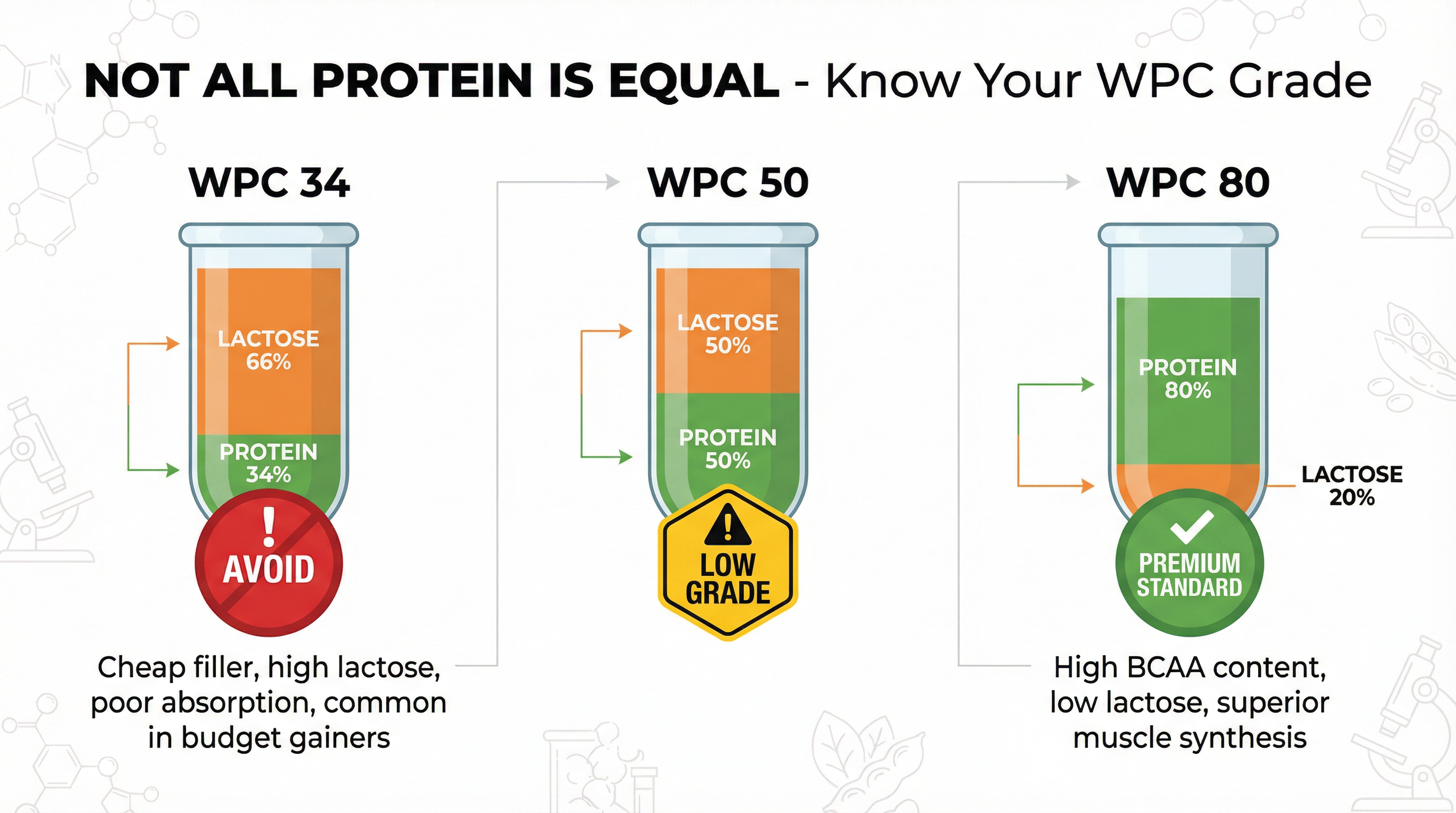
Whey Protein Concentrate is sold at different purity levels. The lower the protein percentage, the higher the lactose content — and lactose is essentially milk sugar. If you’re lactose intolerant (a very common condition across Asia), consuming a product with WPC 34 or WPC 50 can result in bloating, digestive discomfort, and poor nutrient absorption.
| Grade | Protein % | Lactose Content | Verdict |
|---|---|---|---|
| WPC 34 | ~34% | Very High | ✗ Avoid — cheap filler |
| WPC 50 | ~50% | High | ⚠ Low-grade, budget gainers |
| WPC 80 | ~80% | Low | ✓ Premium standard |
Rule of thumb: Always choose a weight gainer that specifies WPC80 or higher as its primary protein source. BCAAs are also significantly more concentrated in WPC80, providing better support for muscle protein synthesis and post-workout recovery.
The Carbohydrate Deception: Complex Carbs vs. Pure Maltodextrin
This is perhaps the biggest quality divide between cheap and premium mass gainers. Maltodextrin is a highly processed, rapidly-absorbed carbohydrate with a glycaemic index of 85–105 — higher than table sugar. Budget gainer brands use it as the sole carbohydrate source. A gainer with 250g of pure maltodextrin per serving is, biochemically speaking, not far from a bag of sugar.
Premium gainers source their carbohydrates from real whole-food-derived ingredients:
- Sweet potato powder — antioxidants, potassium, beta-carotene
- Oat flour — soluble fibre, beta-glucan, sustained energy
- Quinoa — complete amino acid profile, fibre, minerals
- Brown rice flour — gentle on digestion, steady glucose release
- Pea starch — low glycaemic, plant-based, gut-friendly
Who Should Use a Weight Gainer? The Body Fat Framework
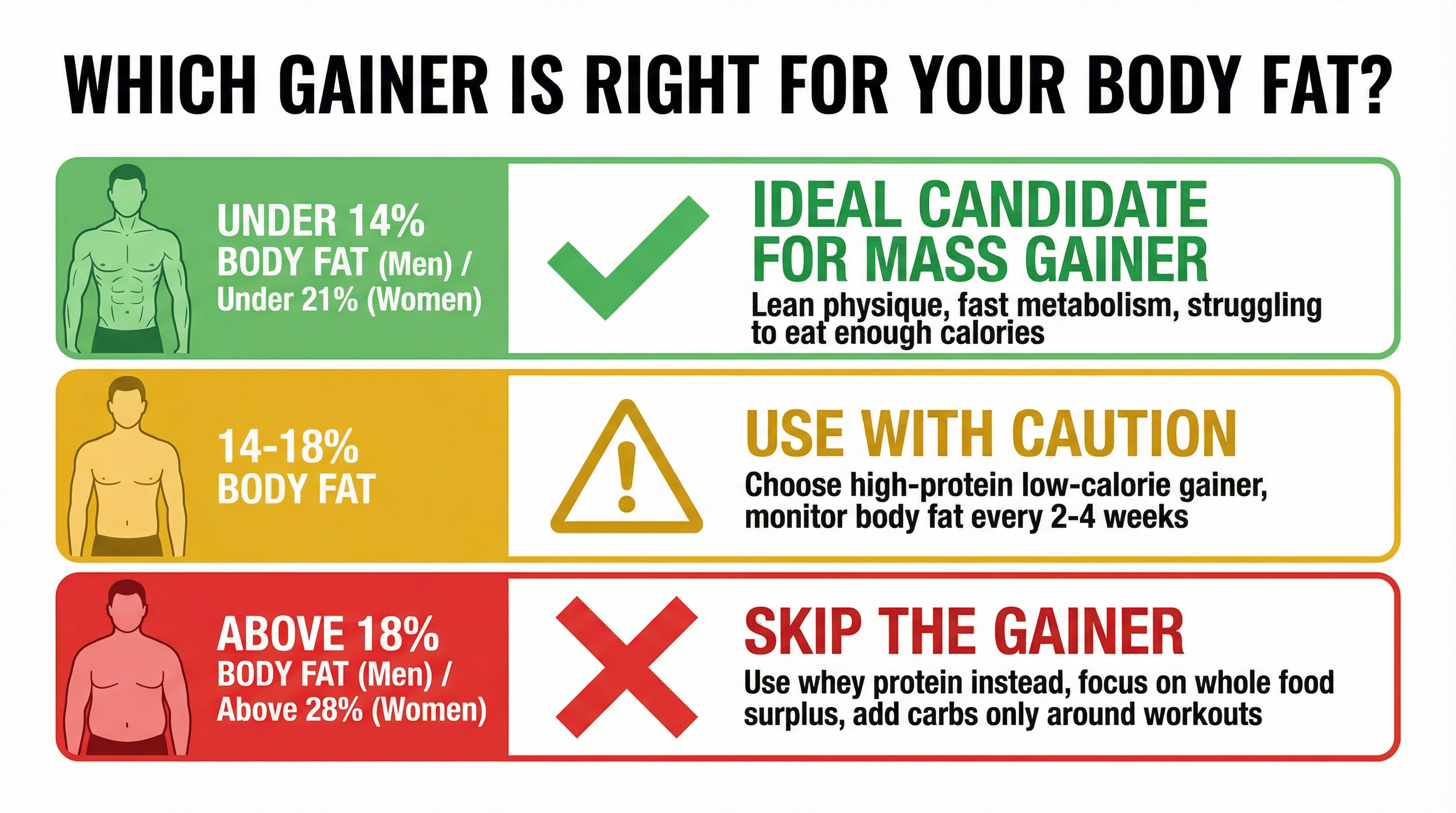
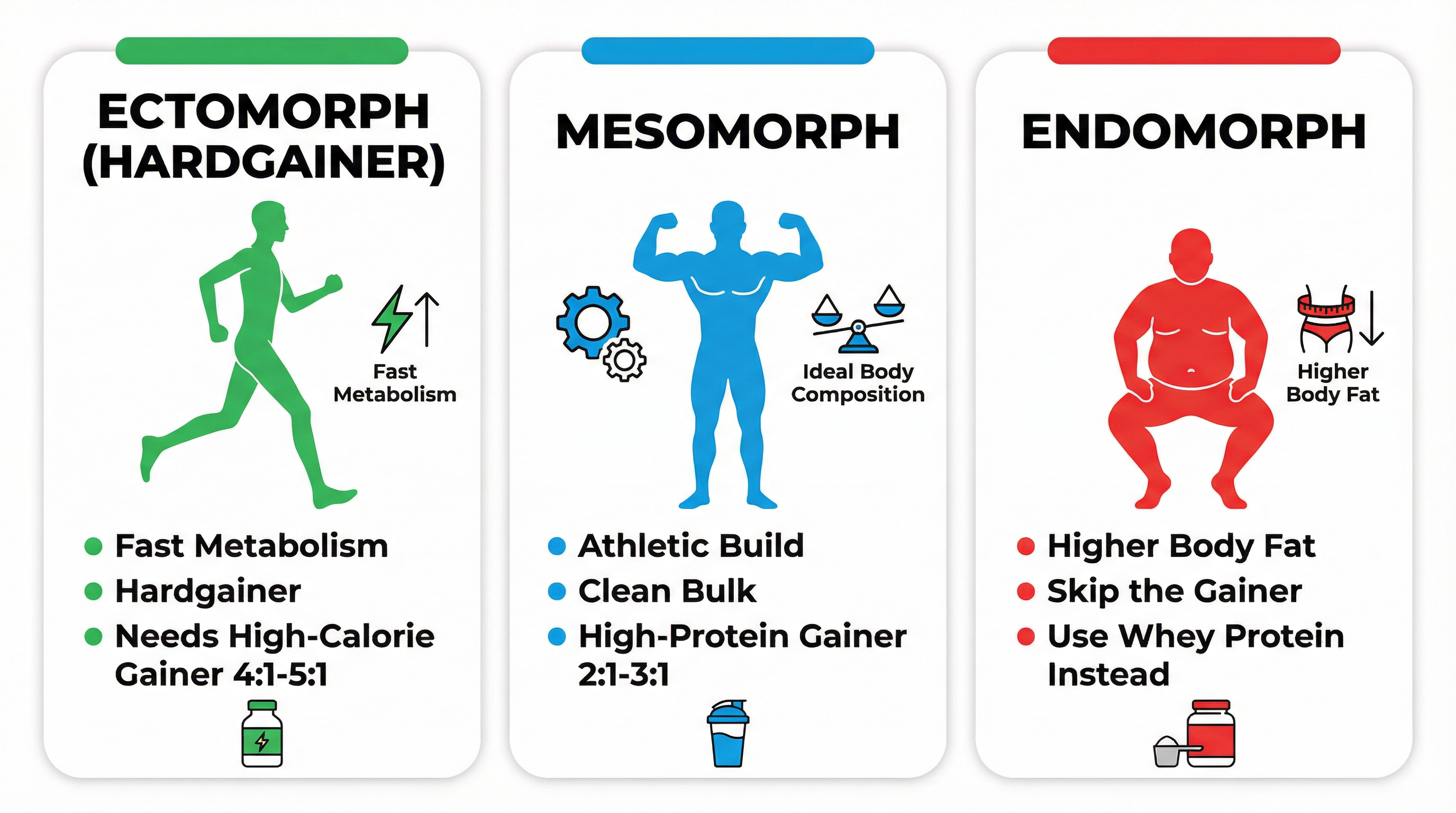
This is the most critical decision — and getting it wrong means wasting money and potentially setting back your progress.
Body Fat Under ~14% (Men) / Under ~21% (Women): You are an ideal candidate. Lean athletes with fast metabolisms should go high-carb (4:1–5:1 ratio). Those with normal body composition aiming for a clean bulk should choose a high-protein gainer (2:1–3:1 ratio).
Body Fat 14–18%: Proceed with caution. Choose a high-protein, lower-calorie type and track your body fat every 2–4 weeks. If it climbs, reduce your serving or switch to whey protein.
Body Fat 18%+: Skip the gainer entirely. When body fat climbs above 18% in men (or ~28% in women), insulin sensitivity decreases and fat storage increases. A large caloric surplus will result in significantly more fat gain than muscle gain. Focus on quality whey protein and a slight caloric surplus from whole foods instead. Remember: a weight gainer does not selectively add muscle to specific body parts — a caloric surplus adds weight systemically, including fat around the midsection and face.
How to Read a Weight Gainer Label: A Quick Checklist
| Check | What to Look For |
|---|---|
| Protein source | WPC80 as primary protein — avoid WPC34/50 |
| Carb source | Oats, sweet potato, quinoa, rice — not just maltodextrin |
| Protein:Carb ratio | Match to your goal: 2:1 lean bulk, 4–5:1 hardgainer |
| Calories per serving | ~672–890 kcal (lean bulk) or ~1,000–1,335 kcal (hardgainer) |
| Added sugars | Low — under 10g per serving ideally |
| Fat content | 5–10% of total calories from healthy fats is normal and desirable |
Recommended Weight Gainers Available in Macau
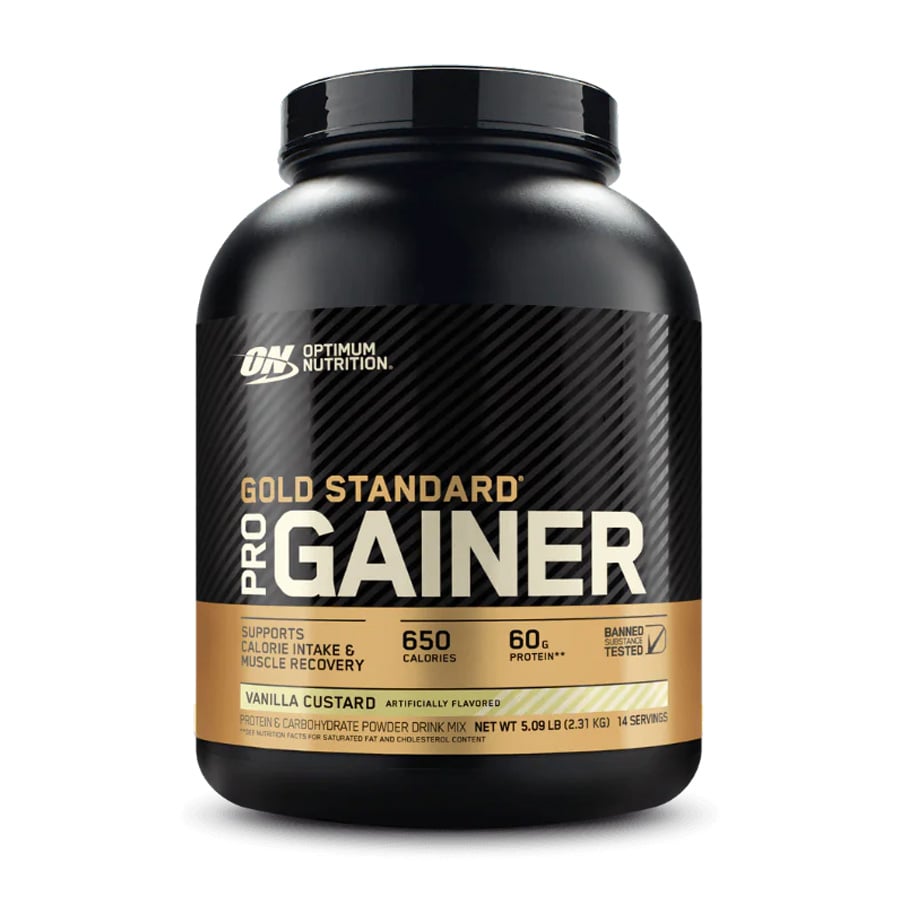
At Macau Nutrition, we source directly from certified manufacturers and authorised distributors worldwide. Every product in our range is selected based on ingredient quality, not just price point. Here are three standout gainers we carry:
Final Thoughts: Choose Smart, Gain Smart
Weight gainers are powerful tools — but only when matched to the right person, with the right body composition, at the right stage of training. The key principles are simple: a gainer is a complete meal, not just protein; ratio and calorie density must match your metabolic rate; protein grade (WPC80 only) and carbohydrate source (real food over maltodextrin) determine the quality of your results; and body fat percentage is the single most important factor in deciding whether to use a gainer at all.
At Macau Nutrition, we import directly from manufacturers and certified distributors, and every product is stored in our climate-controlled, clean warehouse to ensure the freshest quality reaches you.
Shop our weight gainer range at macaunutrition.com — with same-day local delivery across Macau.
Have questions about which gainer is right for your body type and goals? Contact our team — we’re here to help you choose correctly, not just sell you something.